 AETHERIUM
AI-Powered Autonomous Drones 🤖✈️: The Future of Self-Flying Technology
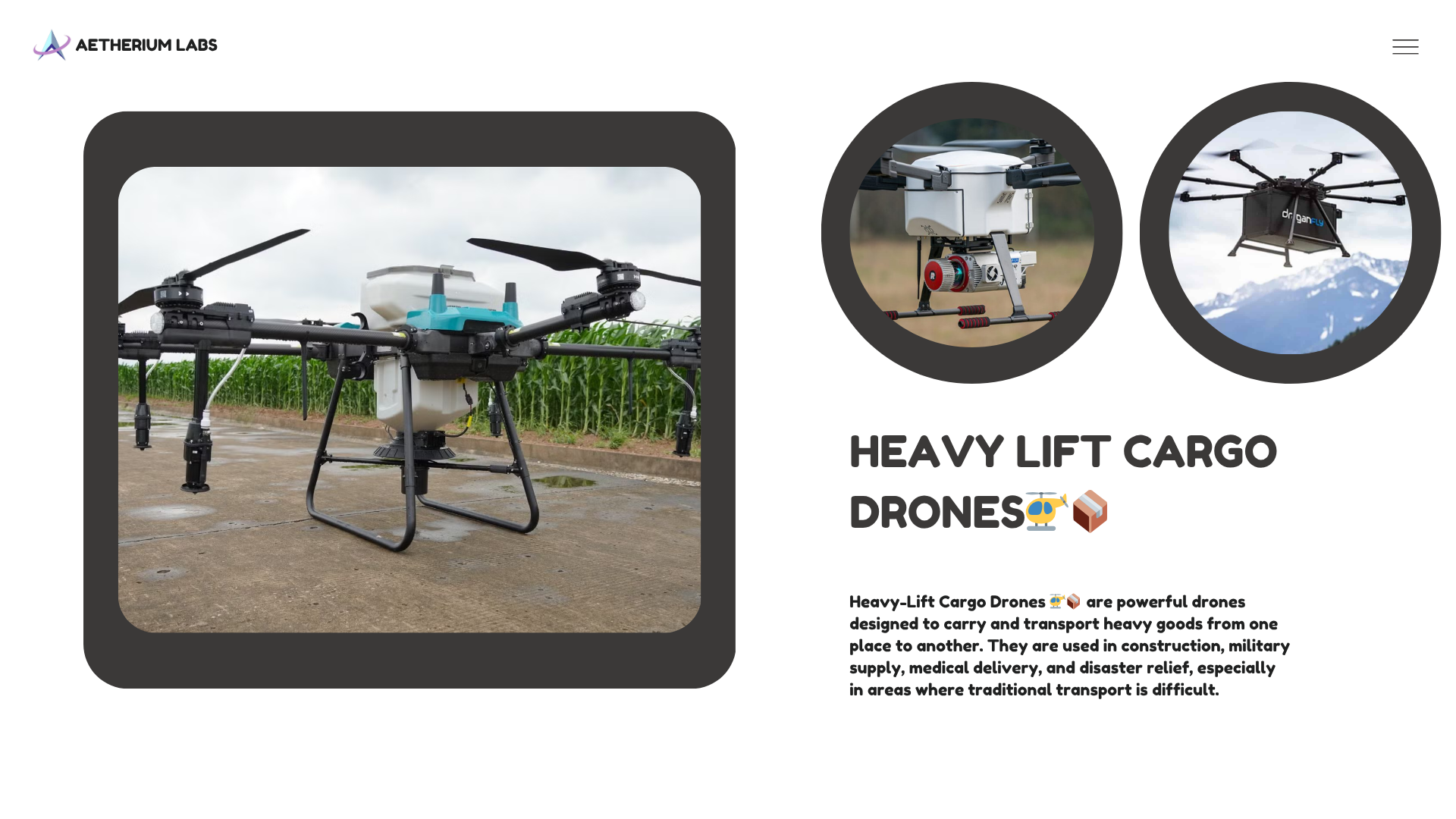
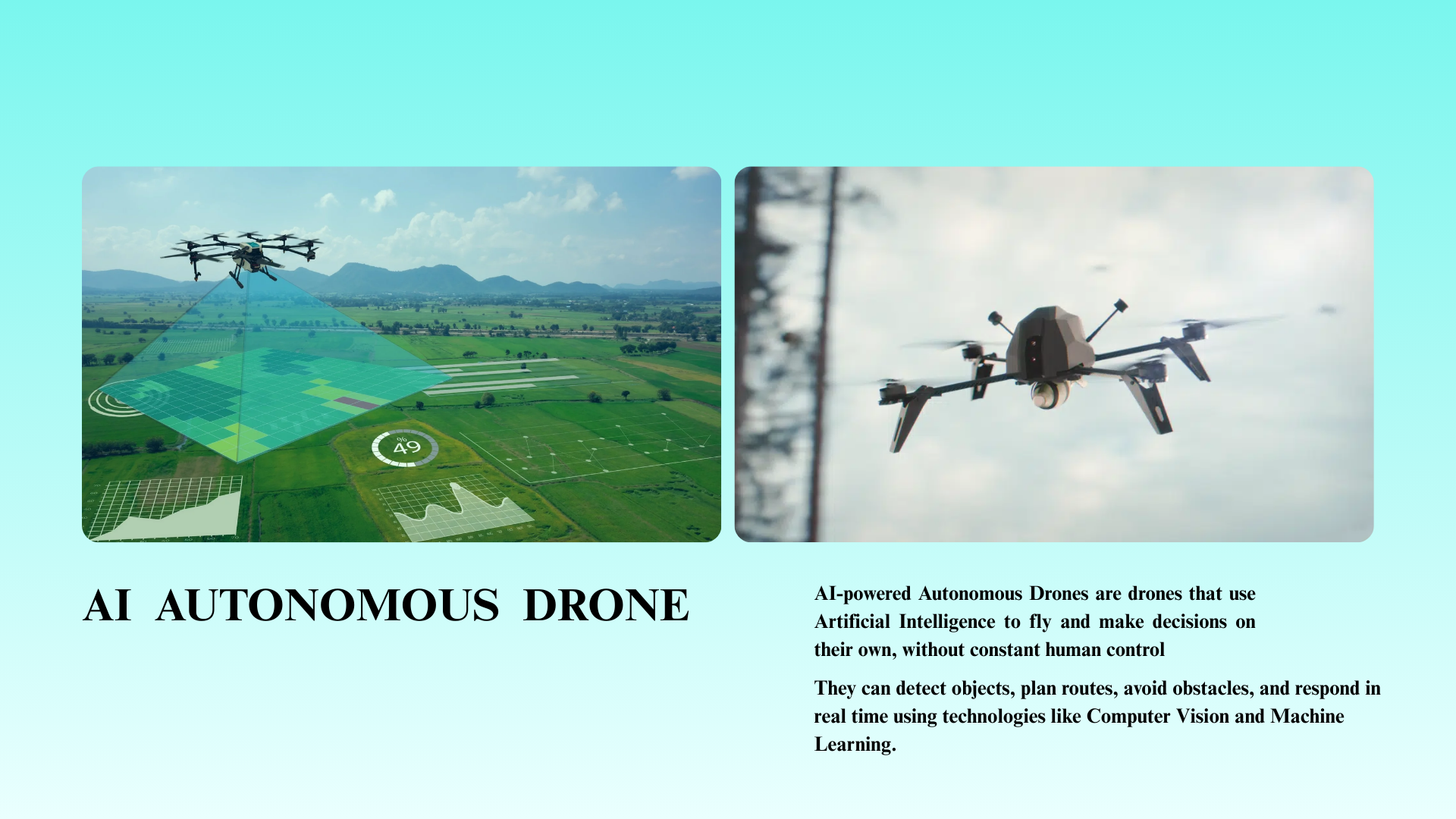
Drones have transformed industries across the globe, but AI-powered autonomous drones are taking this technology to the next level. These drones are capable of flying, navigating, and completing missions entirely on their own, using artificial intelligence (AI), sensors, and advanced software, without needing constant human control.
What Are AI-Powered Autonomous Drones?
AI-powered autonomous drones are unmanned aerial vehicles (UAVs) equipped with AI algorithms that allow them to:
Navigate independently
Avoid obstacles in real time
Detect and track objects or targets
Complete complex missions without a human pilot
Key Features
🧠 1. Autonomous Navigation
Uses GPS, LIDAR, and onboard sensors to create maps and plan flight paths
Can adapt to changes in the environment, like obstacles or moving targets
👀 2. Object Detection & Computer Vision
AI-powered cameras detect people, vehicles, or other objects
Enables drones to perform surveillance, delivery, or inspection tasks autonomously
📊 3. Real-Time Decision Making
Analyzes sensor data instantly to make safe, efficient flight decisions
Can re-route or land safely if emergencies arise
🔌 4. Self-Learning
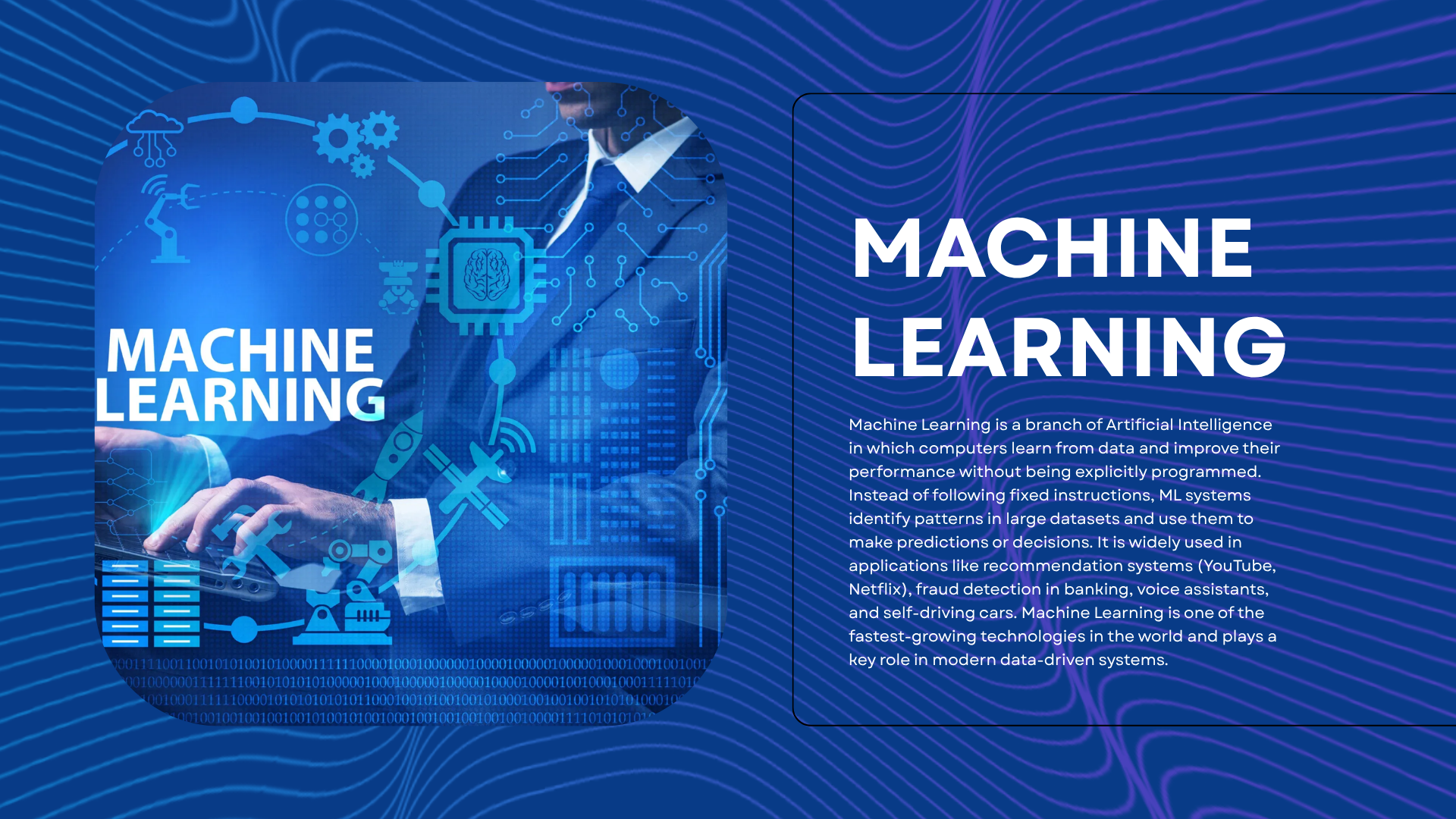
Machine learning algorithms allow drones to improve performance over time
Can adapt to new environments or mission types without manual programming
Applications of AI-Powered Autonomous Drones
🌐 Industry & Delivery
Amazon, Wing, and Zipline are exploring autonomous drones for package and medical delivery
Drones navigate complex urban environments without human operators
🛡️ Military & Defense
Autonomous surveillance and combat missions
Coordinated drone swarms for reconnaissance or tactical support
🌾 Agriculture
Crop monitoring, spraying, and mapping fields efficiently
Reduces human labor and improves precision
🚑 Disaster Response
Search and rescue in dangerous or inaccessible areas
Real-time mapping of disaster zones for emergency responders
Advantages
No constant human control needed 🤖
Faster decision-making in dynamic environments ⚡
High precision in surveillance, delivery, and combat tasks 🎯
Reduced risk to humans in hazardous missions 🧑✈️❌
Challenges
High cost of AI and sensors 💰
Cybersecurity risks: Vulnerable to hacking or signal jamming 🛡️
Ethical concerns: Autonomous decision-making in critical situations
Battery life & payload limitations for longer missions
Examples of AI-Powered Autonomous Drones
Skydio 2 – AI drone capable of fully autonomous obstacle avoidance and tracking
Wingcopter 198 – Autonomous delivery drone with AI flight planning
Military autonomous UAVs (used for reconnaissance and swarm operations)
Conclusion
AI-Powered Autonomous Drones 🤖✈️ are transforming how we approach aerial technology. From delivery and agriculture to defense and disaster response, these self-flying drones offer speed, precision, and safety unmatched by traditional UAVs. As AI and drone technology continue to advance, autonomous drones will become an integral part of both civilian and military applications, shaping the future of aviation and automation.